
Make Every Errand Flow

Today we dive into smart errand route optimization for daily tasks, turning a scattered list into a crisp, time-saving circuit. Expect practical principles, friendly tools, and real-world tactics that reduce stress, miles, and second-guessing. Share your wins, ask questions, and subscribe for fresh, actionable ideas that keep your days lighter, safer, and wonderfully predictable.

Start With Clarity: Priorities, Windows, and Anchors

Begin by listing every stop, its address, opening hours, pickup numbers, perishables, and any must-hit appointments that anchor your schedule. Rank urgency, note parking constraints, and group nearby tasks before touching a map. Add generous buffer time for surprises, and decide what can move or wait. This upfront clarity shrinks complexity, prevents backtracking, and transforms chaotic chores into a route that respects real-world limits and your energy.

Map the Day Around Fixed Appointments

Use fixed commitments—school drop-off, a medical visit, a noon pickup—as immovable anchors, then weave flexible errands between them in geographic order. Protect time windows with alerts, and avoid cross-town detours that risk cascading delays. Visualize everything on one timeline to expose gaps, crunches, and smarter sequences before wheels move.

Sort by Urgency, Temperature, and Proximity

Flag hard deadlines, returns windows, and bank cutoffs. Separate frozen groceries, flowers, and other delicate items that demand minimal car time. Cluster short, nearby stops to form efficient mini-loops, while pushing low-value, distant chores to quieter hours. This triage prevents spoilage, late fees, and exhausting zigzags that often sabotage otherwise careful planning.
Estimate Dwell Time Honestly

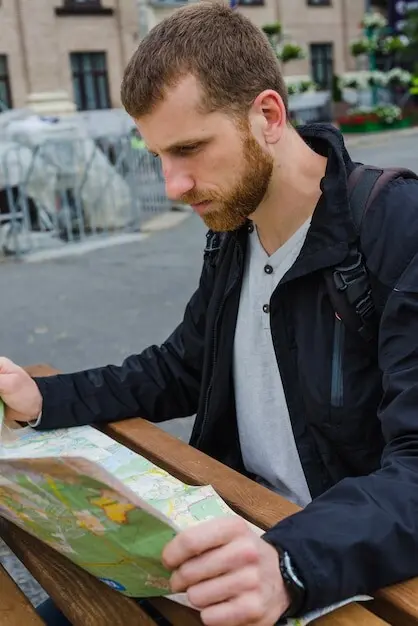
Pad for parking hunts, checkout lines, elevator queues, and the five-minute chat that always becomes twelve. Write realistic service times beside each stop, then sum the total. If the day overflows, defer nonessential errands now, not later. Honest estimates keep expectations kind, sequences plausible, and the entire circuit calm, quick, and delightfully finishable.

Design the Route: Simple Rules That Outsmart Traffic

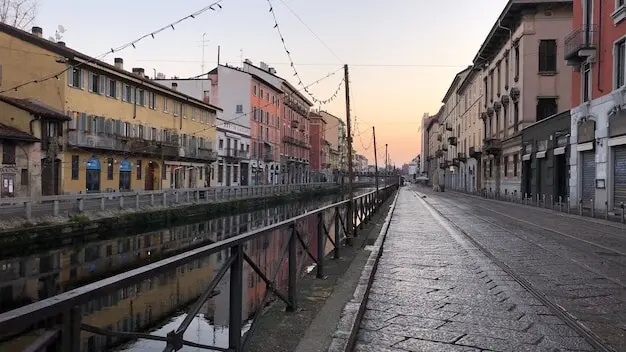
Build a loop that minimizes crossings of busy corridors, avoids left-turn snarls, and keeps you moving with fewer stops and starts. Favor clusters, then sweep them in one direction, finishing near home. Place gas, charging, or coffee at natural transitions. These simple rules consistently beat hunches, trimming minutes that add up to hours each month.

Cluster Stops Into Natural Zones

Draw loose circles around neighborhoods or commercial strips and finish a whole cluster before jumping to the next. Short hops reduce decision fatigue and error. If a must-visit sits outside, link it to a compatible transition leg. Clustering also concentrates parking searches, turning multiple headaches into one brief, predictable session.

Prefer Right Turns and Fewer Signal Cycles

Where safe and legal, stitch together more right turns and fewer unprotected lefts to reduce idle time, lane changes, and risk. Delivery fleets swear by this principle, and it works for civilians, too. You’ll glide more, brake less, and keep momentum, especially during school rushes and unpredictable urban intersections.

Finish Close to Home With Cold Items Last

Schedule the supermarket and frozen pickups toward the end, so your trunk becomes a quick handoff to the kitchen, not a mobile freezer. Keep an insulated bag ready. Ending near home also shortens the final leg if delays stack, preserving dinner time, mood, and tomorrow’s energy.

Tools You’ll Actually Use

Lean on apps that are fast during go-time and friendly during planning. Multi-stop navigation, shared lists, and calendar alerts should feel like one system, even if built from several services. Start simple, automate gradually, and favor tools that fail gracefully when coverage drops or plans change. Reliability over novelty keeps your day steady.

Multi-Stop Navigation Without Tears

Use Google Maps, Apple Maps, or Waze to enter all stops, then reorder for shortest time. Pin anchor appointments first, add notes in stop names, and star frequent locations. Export or share the route for quick handoffs. Practice editing mid-drive so changes feel normal, not stressful, when moments matter.

Automation That Bridges Lists and Maps

Connect task managers like Todoist or Things to calendar and mapping shortcuts. With one tap, pull today’s tagged errands into a navigable sequence. Use Siri Shortcuts or Android automation to append pickup codes to stop names. Small bridges prevent retyping, cut errors, and make planning so quick you’ll actually do it daily.

Shared Plans for Families and Teams

Share a living shopping list, assign pickups, and let locations auto-attach to tasks. Family members can claim nearby stops, while you focus on anchored appointments. Real-time edits reduce texts, and clear responsibilities curb duplicate trips. It feels collaborative, saves fuel, and turns chores into a surprisingly smooth group effort.

Reorder When Lines, Weather, or Closures Hit

If a stop bogs down, slot in a nearby quick win and return later. When storms slow highways, switch to your local cluster sweep first. Maintain a short list of alternates for prescriptions and pickups. You’ll preserve momentum while stubborn delays shrink, turning disruptions into barely noticeable ripples.

Use Live Signals to Confirm or Change the Plan

Watch traffic layers, crowd indicators, and posted delays to validate your sequence. If reality diverges, re-optimize calmly and mark the reason for later learning. Treat the map as a co-driver, not a dictator. Measured responses beat reactive thrashing, saving both minutes now and judgment for the next run.

Make It Human

Routes work best when they respect bodies and minds. Sequence demanding tasks during your peak focus, and reserve low-pressure stops for dips. Keep water, snacks, and a spare phone cable within reach. Music or a favorite podcast becomes an anchor habit that reduces stress and marks progress between clusters.

Energy-Aware Sequencing

Notice when you think clearly and drive smoothly, then place tricky parking, dense intersections, or paperwork-heavy returns there. Put autopilot errands just after meals or meetings. This empathy for yourself trims mistakes, protects patience with strangers, and leaves you finishing strong instead of crawling home frazzled.

Two-Minute Dockings Through Trunk Setup

Pre-stage bags by category—returns, deliveries, cold items, donations—and keep a clip for receipts and prepaid labels. A grab-and-go trunk turns arrivals into quick dockings. You’ll stand in fewer lines twice, waste fewer steps, and feel professional efficiency without losing friendliness or warmth at each counter.

Tiny Rewards, Big Momentum

Pair a quick stretch, favorite playlist segment, or five-minute park bench with finishing each cluster. Small rewards mark chapters, reset your posture, and keep spirits lifted. You’ll be kinder in traffic, steadier under surprises, and more likely to repeat the system tomorrow with a genuine smile.

Save Money, Miles, and Emissions

Efficient routes quietly lower fuel or charging costs, brake wear, and stress on engines and nerves. Smooth acceleration, fewer cold starts, and consolidated trips also lighten your footprint. Consider e-bike loops for hyperlocal errands, and batch deliveries with neighbors when schedules align. Smarter circuits save cash while doing real environmental good.
Zentorinoveltoxaripalosento
Privacy Overview

This website uses cookies so that we can provide you with the best user experience possible. Cookie information is stored in your browser and performs functions such as recognising you when you return to our website and helping our team to understand which sections of the website you find most interesting and useful.